
RAINWATER HARVESTING RESEARCH AND DEVELOPMENT CENTRE
KSUM recognisedTeam


Products 2
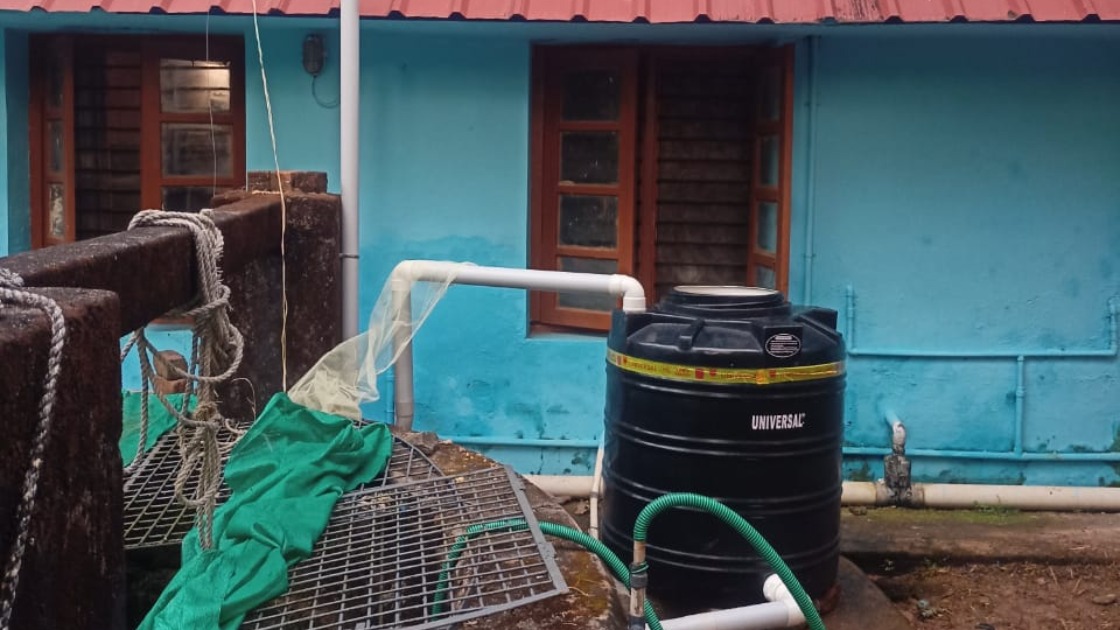 ARTIFICIAL WELL RECHARGING
Well Recharging. This scientific initiative channels rainwater from rooftops, using PVC pipes to filter and direct it into wells. Expanding water catchment areas, it effectively addresses water quality issues. The well and surroundings become a natural reservoir, ensuring water safety and mitigating concerns in just one solution.
Method of diverting rain water in roof tops to wells through well recharge including purification system using natural pebbles, charcoal and sand. The method of digging pits near the wells and collecting the rainwater from the roofs in them and filtering it through the soil to the wells. rain water. Recharging the well using rainwater that falls on the ground near the wells through various methods like rain pits, trenches etc. Keeping in view the possibility of landslides in the steeply sloping areas, only the water received during monsoon and summer rain should be stored except for Idavapathi. A method of recharging rainwater into wells that are not directly used for drinking water. The practice of planting geotextiles, other small trees, and water-purifying plants like ramacham around wells, especially ponds
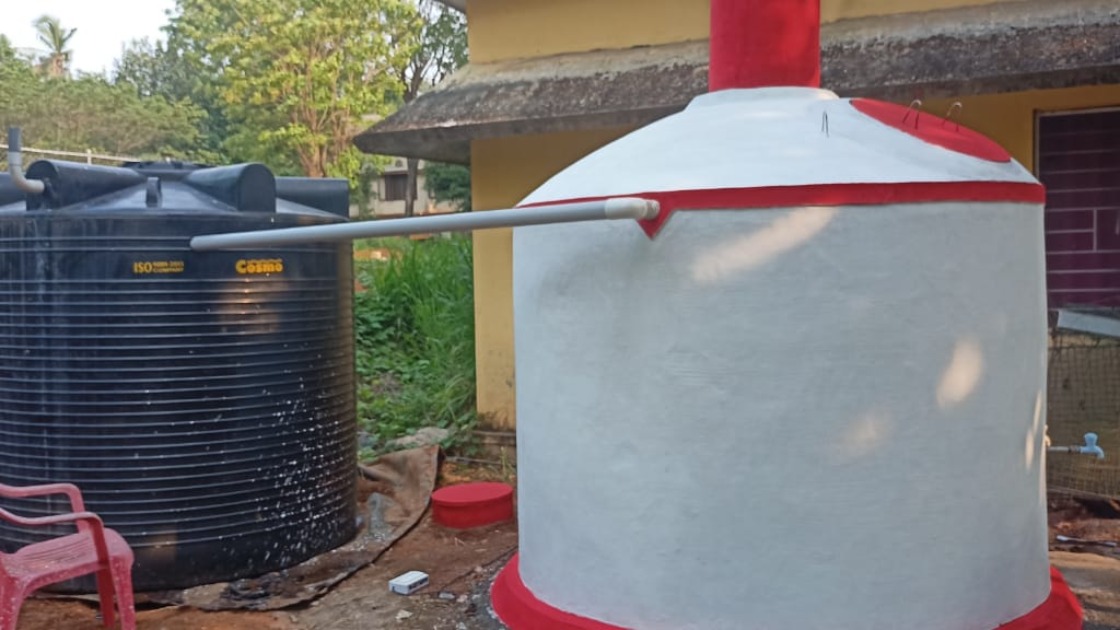 RAINWATER HARVESTING & STORAGE TANK
Directing filtered rooftop rainwater into wells utilizes natural aeration, lowering iron levels without expensive filters. This eco-friendly, low-maintenance solution, relying on gravity, preserves water quality, avoiding the need for cleansing agents and stores the water in Rainwater Harvesting Storage Tanks. Local plumbers handle upkeep, ensuring sustainable, affordable water treatment.
This cost-effective solution utilizes PVC pipes and rain gutters to channel rooftop rainwater into Rainwater Harvesting Storage Tanks. It's an affordable alternative to other water treatment systems, ensuring quality without the hefty price tag.